
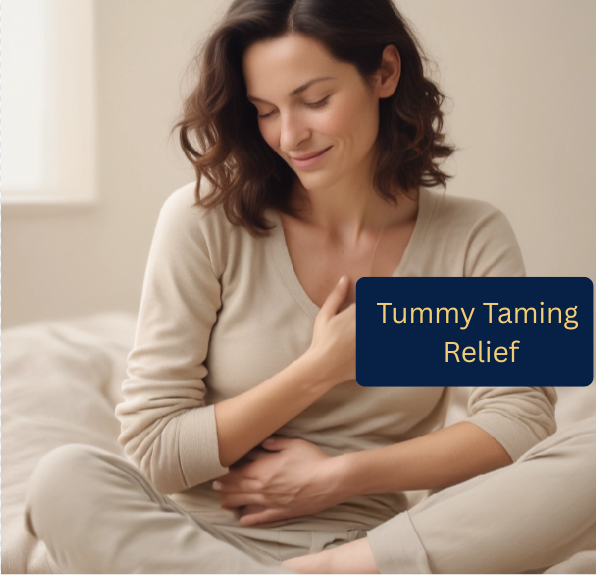
Navigating Menopause: Nourish Your Body, Calm Your Mind
Have you noticed changes in your energy, digestion, sleep or mood?
Perhaps your waistline is changing, despite eating the same foods. Maybe you’re experiencing bloating, poor concentration or disrupted sleep.
These changes can feel frustrating, particularly when you don’t understand why they’re happening.
Menopause is a natural transition, but that doesn’t mean you have to struggle through it without support.
Every woman’s experience is different. Understanding what’s happening in your body can help you make informed choices about your health.
Menopause Is About More Than Hot Flushes
Many women associate menopause with hot flushes and night sweats. However, hormonal changes can influence many aspects of wellbeing.
You may experience:
- Bloating, constipation or changes in digestion
- Weight gain, particularly around the abdomen
- Poor sleep or waking during the night
- Anxiety, irritability or changes in mood
- Brain fog and difficulty concentrating
- Reduced muscle strength and energy
- Joint discomfort or changes in bone health
These symptoms can develop during perimenopause, sometimes years before periods stop.
The good news is that understanding these changes can help you identify practical ways to support your body.
The Gut–Hormone Connection
As a Nutritional Therapist, I have a particular interest in digestive health and the relationship between food, hormones and overall wellbeing.
During midlife, some women notice that foods they previously enjoyed no longer agree with them.
Bloating, sluggish digestion, constipation and reflux may become more noticeable.
Hormonal changes can influence digestive function. However, symptoms may also relate to stress, medications, eating habits or other digestive conditions.
Rather than immediately removing foods, I encourage women to explore ways of nourishing their bodies.
The goal is to support better digestion, energy and long-term health without unnecessary food restrictions.
Nourishing Your Body Through Menopause
What we eat during midlife matters.
Good nutrition helps support muscle strength, bone health, cardiovascular health and digestive wellbeing.
Some of my favourite starting points include:
Protein for strength: Include good-quality protein throughout the day to help maintain muscle and support healthy ageing.
Calcium and vitamin D for bones: Both play important roles in maintaining bone health as oestrogen levels decline.
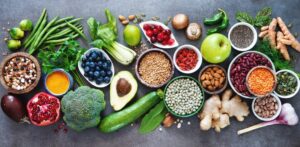
Fibre for digestive wellbeing: Vegetables, fruit, pulses and wholegrains can support regular bowel movements and overall gut health.
Healthy fats for heart health: Olive oil, nuts, seeds and oily fish provide valuable nutrients.
Mindful eating for digestion: Slowing down, chewing thoroughly and enjoying meals in a relaxed environment can help make eating more comfortable.
Small, consistent changes often provide a more sustainable foundation than restrictive diets.
Stress, Sleep and Your Nervous System
Menopause often arrives during a particularly demanding stage of life.
Women may be balancing work, family responsibilities, ageing parents and their own changing health needs.
Stress and poor sleep can affect appetite, digestion, mood and daily energy.
Supporting your nervous system through regular meals, gentle movement, relaxation and good sleep habits can make a meaningful difference.
It is also important to recognise when medical support may help. Nutrition and lifestyle strategies can complement appropriate menopause treatments.

What’s Your Midlife Gut Type? Take the Free Quiz!
Are you experiencing bloating, sluggish digestion, food reactions or changes in your energy during menopause?
Every woman’s experience is different, and understanding your digestive habits is a great place to start.
Take my FREE “What’s Your Midlife Gut Type?” Quiz and discover whether you’re more like:
- Aoife – The Sensitive Tummy
- Bríd – The Slow Digestor
- Caoimhe – The Busy Belly
- Deirdre – The Hormonal Belly
You’ll receive practical nutrition and lifestyle tips to help you understand your digestive patterns and support your wellbeing during midlife.
Small changes can make a big difference!
Take the Free Midlife Gut Quiz Here
This quiz is a wellbeing guide, not a medical assessment.
Your Next Chapter Deserves Good Health
Menopause is not the end of feeling energetic, strong or confident.
It can be an opportunity to reconnect with your body, understand your changing needs and make positive choices for the years ahead.
Whether you’re just beginning perimenopause or have been through menopause, better nutrition can help.
I look forward to meeting you.
Sinéad Dundon
Nutritional Therapist | The Tummy Tamer
Adare, Co. Limerick | Charleville, Co. Cork | Online
Supporting better digestion, better nutrition and healthier ageing.

0 Comments